
Entrepreneur Presenters and Panelists Added to European Neurotech Leaders Forum Agenda

Neurotech Reports, the publisher of the Neurotech Business Report newsletter, announced that several panelists and presenters have been added to the agenda for the 2nd annual Neurotech Leaders Forum at imec, which will take place June 23-24 in Leuven, Belgium New speakers include Daniel Chew, a former Galvani executive CEO and co-founder of Artemis Medical, Fabien Sauter from CEA Clinitec, Martin Becker from cpi, Francois Veron from Newfund, and Stephen Hicks from ARIA.
Medtronic’s Purchase of SPR Brings Focus to PNS Market

The market for peripheral nerve stimulation systems became significantly more prominent this month with the news that Medtronic intends to purchase SPR Therapeutics for $650 million. Coming on the heels of Boston Scientific’s purchase of Nalu Medical for about $600 million last year, this latest deal has raised the hopes for other PNS upstarts seeking to play in the big leagues with strategic medtech firms.
Intraoperative Nerve Monitoring Electrodes Continue to Evolve
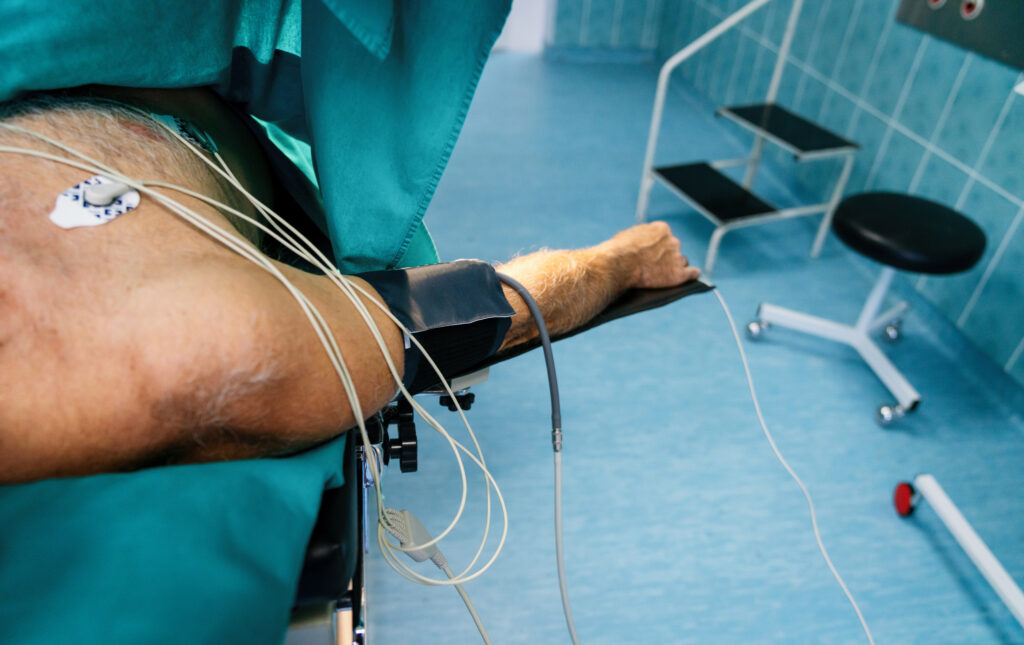
While FDA 510(k) regulatory codes are established for specific purposes, they frequently evolve over time. A clear illustration of this regulatory evolution can be seen in the ETN code, which has been associated with 143 FDA-cleared devices for intraoperative nerve monitoring since 1978. Originally, this code was applied to intraoperative monitoring of peripheral, spinal, and cranial nerves, requir…
Pain Specialists Debate Merits of Trialing at INS Congress
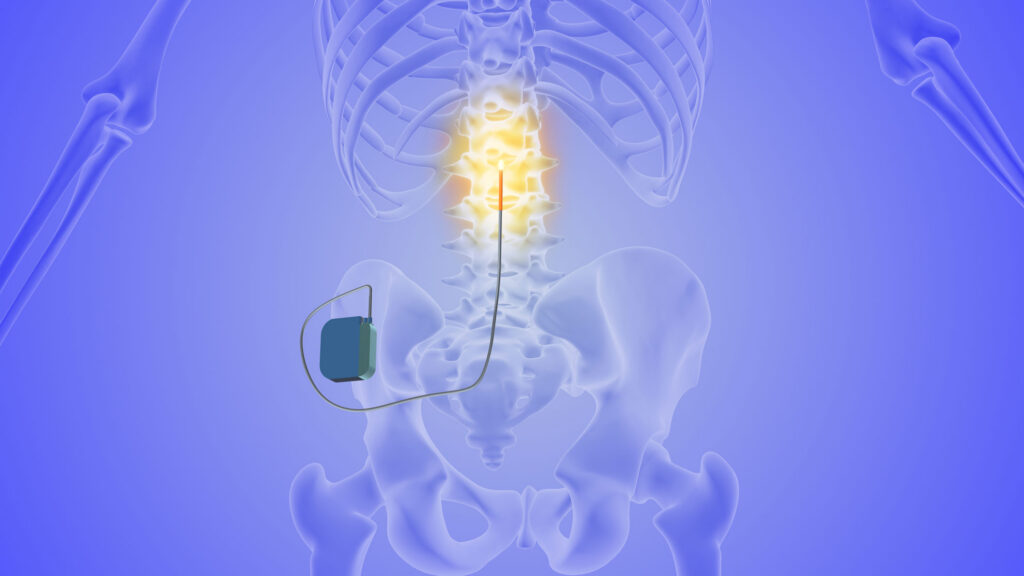
At the 2026 International Neuromodulation Society meeting in Lisbon, Portugal earlier this month, a familiar question in pain neuromodulation was revisited directly: do trials and diagnostic blocks improve outcomes, or have they become procedural and reimbursement artifacts embedded in the business model of care? The question is not new in spinal cord stimulation, where trialing has been standard for decades.
Neurotech in Europe

In the 25 years that we have been publishing this newsletter, the majority of our editorial coverage has concerned research and commercial activity in the U.S. That is not entirely a result of the fact that we are based here in the U.S. In the early days of the neurotechnology industry, most of the commercial revenue and most of the significant research was coming from within these shores. But more…
Galvani Bioelectronics Prepares for Orderly Shutdown
Since its 2016 inception as a joint venture between GlaxoSmithKline and Verily (an Alphabet company), Galvani Bioelectronics has pioneered splenic nerve stimulation therapy for rheumatoid arthritis, a chronic autoimmune disease. This bioelectronic approach targets a “holy grail” of medicine: suppressing the pro-inflammatory activity of T cells in the spleen to prevent cytokines from attacking joints in the hands and feet.
LivaNova Pursues Differentiated Therapy for Treating OSA

Following the recent FDA PMA approval of its aura6000 device, LivaNova joined two other OSA firms in the U.S. market: Inspire Medical with its Inspire V device and Nyxoah with the Genio device. Earlier this month, LivaNova published the 12-month results from its pivotal OSPREY study, which supports the efficacy of its proximal hypoglossal nerve stimulation approach. The study included 104 adult patients, with 67 receiving treatment and 37 serving as unblinded controls.
U.K Neuromodulation Market Deals with Post-Brexit Issues

The regulatory pathway for medical devices in the U.K. remains unsettled several years after Brexit. While the U.K. has sought to establish a distinct regulatory identity through the UK Medical Devices Regulations and the UKCA (UK Conformity Assessed) mark, the practical landscape for manufacturers remains closely tied to Europe. For U.S. and European neurotechnology companies, the result is a regulatory environment that is not simply “post-Brexit,” but rather one shaped : the legacy U.K.
Neurotech Investing Enters an Era of Discipline
There was a moment somewhere between the second and third question in a pair of investor panels at the Bioelectronic Medicine Forum this year when the tone shifted. It wasn’t a dramatic shift. No one said anything particularly controversial, but the language tightened notably. The answers got more precise and the optimism that has long defined neurotechnology didn’t disappear, it just became a little more conditional.
Neurotech Firms Showcase Innovation at 2026 LSI Conference
The 2026 LSI USA conference, held in Dana Point, CA earlier this month, offered a dynamic platform for neurotech firms to demonstrate their latest advances and share insights with industry leaders, investors, and healthcare professionals. This year’s event underscored the rapid evolution of neurotechnology and its growing impact within the broader life sciences sector. A session devoted to SetPoint…