October 20-21, 2014
Doubletree San Francisco Airport North
Keynote Speaker |
|
|---|---|
| July 11, 2015 | Mir Imran founded InCube Labs to focus on his passion: creating medical solutions that change the standard of care in critical healthcare markets. After attending medical school, Mir began his career as a healthcare entrepreneur in the late 1970’s and has founded numerous game-changing companies since those early days. Over the decades, he has become one of the leading inventors and entrepreneurs in the field. Mir now holds more than 200 issued patents and is perhaps most well known for his pioneering contributions to the first FDA-approved Automatic Implantable Cardioverter Defibrillator. As an entrepreneur, Mir has founded more than 20 life sciences companies; 15 of his companies have seen “liquidity events” (IPO/Acquisition). Mir’s expertise spans a wide range of clinical areas from interventional cardiology to chronic pain, obesity and CNS disorders. Mir actively collaborates with the nation’s top universities on research and development including Stanford, Rutgers, Johns Hopkins, UTSW, etc. Mir also founded InCube Ventures, a life sciences venture fund, where he has led investments in a range of promising ventures. Mir sits on Boards of several life sciences companies. He holds an M.S. in bioengineering and a B.S. in electrical engineering from Rutgers. He also attended CMDNJ/Rutgers Medical School. |  |
Conference Moderator |
|
|---|---|
| James Cavuoto is editor and publisher of Neurotech Business Report and the founder of Neurotech Reports. He was the lead author of “The Market for Neurotechnology,” a market research report published by Neurotech Reports. Cavuoto was the founder of Micro Publishing Press, Inc., a publishing company that helped pioneer the market for electronic publishing, digital imaging, and computer graphics. He holds a degree in biomedical engineering from Case Western Reserve University, where he studied under pioneers in the field of functional electrical stimulation. He has also studied human factors engineering at University of Southern California in Los Angeles. Cavuoto spent three years as a member of the technical staff at Hughes Aircraft Company in Los Angeles, where he worked on simulation, training, and publication products produced for the U.S. Department of Defense. Cavuoto is an adjunct professor at Rochester Institute of Technology and the author of eight books on computer graphics, electronic publishing, and digital imaging. He is a member of the IEEE Engineering in Medicine and Biology Society. He has authored a chapter in the textbook Neuromodulation (Elsevier, 2009), as well as articles in Neuromodulation, Journal of Neural Engineering, Medical Device Daily, IEEE Spectrum, MX magazine, and the International Journal of Medical Marketing. | 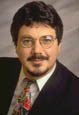 |
Panelists and Presenters |
|
|---|---|
| Juan-Pablo is a partner at Action Potential Venture Capital in Palo Alto, CA, and invests in companies that are pioneering bioelectronic medicines and neuromodulation technologies. He was previously an investor at Lightstone Ventures and Morgenthaler Ventures, where he focused on therapeutic medical devices, mobile health, and biopharmaceutical investments. There he served as a Board Observer at various portfolio companies, including Ardian, Twelve, Holaira, Miramar Labs, Cabochon Aesthetics, SetPoint Medical, and Relievant Medsystems. Prior to investing, Juan-Pablo led efforts in R&D and Strategy in Medtronic’s CardioVascular Division, including Pipeline Strategy, White-Space exploration, Business Development, and M&A integration efforts. He was named “Medtronic Inventor of The Year” in 2008, and has more than 30 patent, granted or pending. Juan-Pablo also launched Effient (prasugrel) during his tenure on the Global Brand Strategy team at Eli Lilly & Co. Juan-Pablo earned an MBA from Stanford Graduate School of Business. He also conducted research in the Neurology Department at Stanford Hospital, while completing an M.S. in Electrical Engineering at Stanford University. There he worked on biometric signal processing applications such as neural-prosthetics, and EMG-driven feedback systems, and improved ICD algorithms. |  |
| Kip Ludwig is program director in neural engineering at the National Institute of Neurological Disorders and Stroke. Ludwig received his Ph.D. in Bioengineering at the University of Michigan, followed by post-doctoral work at the same institution. Ludwig’s academic work focused on neural decoding algorithms for brain-computer interfaces, signal processing techniques to denoise neural recordings, and advance materials to improve the chronic stimulating and recording performance of microelectrodes. More recently, Ludwig worked in industry at CVRx as a research scientist, where he and his team conceived, developed and demonstrated the chronic efficacy of a next-generation neural stimulation electrode for reducing blood pressure in both pre-clinical and clinical trials. Through his industry work, he oversaw good laboratory practice and non-GLP studies supporting both European and FDA Investigational Device Exemption human trials, as well as participated in the protocol development and execution of those trials. Ludwig’s interest is in all aspects of neural engineering, with special emphases on neuromodulation, BCI devices, and neural interface technology development. |  |
| Jeffrey Erb is the Director of Business Development, Alliances and IP Portfolio Management for Medtronic Neuromodulation. Mr. Erb has worked for Medtronic since 2002 in a variety of roles including Corporate Development, Strategic Pricing, Strategic Planning and Marketing. He also serves as the Co-Collaboration Manager and CFO of MG Biotherapeutics, a joint venture in Cardiac Cell Therapy with Genzyme. Prior to working for Medtronic, Mr. Erb held various finance positions for Lockheed Martin. He earned an MBA degree from the University of Michigan and a bachelors degree from the University of Pittsburgh in economics and business. |  |
| Chad Bouton serves as Research Leader in the Center for Advanced Engineering and Statistics for Battelle’s Health and Lifes Sciences Global Buisness. Chad has been recognized by Congress and the National Academy of Engineering for his work in the medical device field, including the development of neural decoding methods that allowed a person to control a wheelchair with a brain implant. Chad was a key member of the original BrainGate Team under contract with Cyberkinetics. Chad led the team that refined and honed the algorithms that led to the success of BrainGate. Chad received an R&D 100 Award for this effort. |  |
| Victor Pikov obtained Ph.D. in Cell Biology from Georgetown University, where he evaluated physiological and neurotransmission-mediated plasticity in micturition reflexive circuitry after spinal cord injury. During his postdoctoral fellowship at California Institute of Technology, he worked in David Baltimore’s lab on expression of an optically-activated ion channel in virally-transected neurons. His present position is a neural engineer/neurophysiologist at the Neural Engineering Program of the Huntington Medical Research Institutes. Dr. Pikov’s research covers five areas: (i) in vitro and in vivo evaluation of intelligent bidirectional arrays of silicon-based multisite probes for recording and stimulation of neuronal tissue; (ii) evaluating the changes in spinal neuronal excitability in the animal model of stroke; (iii) stimulating the spinal neuronal circuits responsible for bladder voiding in the animal model of spinal cord injury; (iv) examining the tinnitus-related neuronal activity in the auditory brainstem nuclei; and (v) studying the effect of electromagnetic waves in the millimeter band on neuronal activation. | 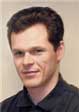 |
| Jack Judy is a professor of electrical and computer engineering at the University of Florida and the director of the Nanoscience Institute for Medical and Engineering Technology (NIMET). Dr. Judy is a world renowned leader in MEMS/NEMS technology. He was previously a professor in the department of electrical engineering at UCLA, where he led the creation of the multidiscliplinary NeuroEngineering training program. He has also served as a Program Manager in the Microsystems Technology Office at DARPA, where he founded Re-NET: Reliable Neural Engineering Technologies, a $66 million funding program that supports the study of high-performance neural interfaces between amputees and their prosthetic limbs. He received his M.S. and Ph.D. in electrical engineering from the University of California, Berkeley, and his B.S. in electrical engineering from the University of Minnesota. |  |
| Manuel López-Figueroa, is a Vice President at Bay City Capital and has been with the firm since July 2001. He specializes in evaluating investment opportunities with an emphasis on CNS. In addition, Dr. López is the Scientific Liaison for the Pritzker Neuropsychiatric Disorders Research Consortium, a collaborative research enterprise comprised of a group of leaders in psychiatry, neuroscience and genetics from Stanford University, University of Michigan, Cornell University and the Universities of California at Davis and Irvine. The consortium aims to discover the neurobiological and genetic determinants of mood disorders and schizophrenia with the goal to develop novel diagnostics and therapeutics. Dr. López is responsible for planning and directing all aspects of the consortium including strategy, R&D, legal (IP & contracts) and financial, to facilitate the commercialization of discoveries to fund additional research. Dr. López has over 15 years of experience in the field of Neuroscience, has won numerous awards during his academic research career, and has published extensively. He completed post-doctoral work at the University of Michigan and at the University of Copenhagen, Denmark. Dr. López received a PhD in Medicine and Surgery, and a MS in Molecular and Cell Biology from the Universities of Las Palmas and La Laguna, Spain, respectively. |  |
| Dr. Alataris is the executive chairman of IRRAS AB, a European firm developing a targeted drug delivery neurosurgical platform to improve treatment outcomes for hemorrhagic stroke and intracranial tumors. Dr. Alataris is the Founder of Nevro Corp., the developer of Senza SCS system, a novel implantable neuromodulation platform delivering superior clinical outcomes. Initially as p president and CEO and later as the chief commercialization officer, Dr. Alataris built the business and scaled the company from initial concept and clinical validation to international commercialization in the chronic pain market. Before founding Nevro, Dr. Alataris was a healthcare investor at Bay City Capital, a healthcare-focused venture capital firm, with $1.8 billion under management, based in San Francisco. As a vice president at Bay City Capital, his investment focus was in medical devices, drug/device combination products and drug delivery platforms. Prior to Bay City, Dr. Alataris was corporate business manager at Guidant Corp. (Acquired by Boston Scientific). Dr Alataris started his carrier as an investment analyst focusing on wireless technology/ semiconductor investments at Ventana Global, a diversified venture firm in Irvine CA. Dr. Alataris holds an M.B.A from the Marshal School of Business and a Ph.D. in neuroscience from the University of Southern California. In addition he holds a Masters of Science in Electrical Engineering and Computer Science. |
 |
| Elliot Krames is a nationally and internationally known “thought leader” in the field of pain medicine and neuromodulation. He graduated from medical school at the University of Maryland and completed his residency in anesthesiology and his fellowship in obstetrical anesthesia at the University of California, San Francisco. Dr. Krames is board certified in anesthesiology and sub-certified in pain management through the American Board of Anesthesiology. He is certified in pain medicine through the American Board of Pain Medicine. The first cancer pain clinic at Mount Zion Hospital was established by Dr. Krames in 1982. He established the Pacific Pain Treatment Center in 1987. Dr. Krames was previously president of the International Neuromodulation Society and has served on the Boards of The North American Neuromodulation Society, The National Pain Foundation, The World Institute of Pain, The American Academy of Pain Medicine, and The American Board of Pain Medicine. Dr. Krames was Editor-in-Chief for 13 years of Neuromodulation, Journal of the International Neuromodulation Society. Dr. Krames has co-authored two previous books and was editor of a two volume textbook, Neuromodulation. |  |
| Jennifer French is executive director of the Neurotech Network, a nonprofit organization founded in Florida in 2003. Jennifer acquired her C6-7 incomplete spinal cord injury in 1998. Prior to her injury, she was recreationally active with such sports as canoeing, snowboarding/skiing, sailing, fly fishing, biking. After her injury, she still participates in all those activities. She is an active user of an FES system. Now residing in Tampa, FL, Jen is active in the community accessible sailing program, Sailing Alternatives as well as the national US Sailing, Sailors with Special Needs. French has helped launch successful divisions is such organizations as Bombardier Capital and PC Connection, Inc. With an MBA specializing in marketing & strategy, she works with for-profit and not-for-profit organizations, large and small, emerge into new markets, profile target customers and create and build systems to support sales efforts. She is the author of On My Feet Again (Neurotech Press, 2013), her personal story of rehabilitation using neurotechnology. |  |
| Dustin Tyler received his Ph.D. in biomedical engineering from Case Western Reserve University and his B.S. in electrical engineering from Michigan Technological University. He is a principal investigator at the Louis-Stokes Cleveland Department of Veterans’ Affairs Medical Center and Associate Director of the Advanced Platform Technology Center, a Department of Veteran’s Affairs Rehabilitation Research & Development Center of Excellence. Dr. Tyler is founder and President of Bear Software, LLC which is currently developing neural stimulation devices for the management of dysphagia. He has spent several years in industry to commercialize neural prosthesis for restoration of function in spinal cord injured and stroke patients, leading research and development efforts, as well as, managing the development of clinical programming software for Class III medical devices. He is a member of the IEEE Engineering in Medicine and Biology, Material Research Society, Biomedical Engineering Society, AAAS, Society for Neurosciences, and Tau Beta Pi. In addition to service as reviewer for several journals, he has served as an associate editor for IEEE-TNSRE and is a founding and contributing associate editor for the journal Bioelectric Medicine. He has served on the organizing committees for symposiums at the Material Research Society Meeting, session chair for multiple IEEE-EMBS and BMES conferences. He is the founding co-chair of the Cleveland Neural Engineering Workshop (Cleveland NEW). Dr. Tyler’s research interests include clinical implementation of neural interfaces; neural interfaces for restoration of sensation and control in limb loss; neuromimetic devices and materials; MEMS technology applied to development of advanced neural devices; neuromodulation system development; computational neural modeling; neuroprostheses for restoration of lost function in physically intact, but neurologically impaired individuals; and neuroprotheses for head and neck applications. |  |
| Henry is the CEO of Posit Science. He originally joined Posit Science when it began operations in 2003 to lead the science and clinical trial teams. He became CEO in 2011. Prior to Posit Science, Henry served as an engagement manager at McKinsey & Company in the healthcare and entertainment practices, and then at the British Consulate General, as a science and technology advisor. Henry holds a bachelor’s degree in biochemistry from Rice University, and a Ph.D. in neuroscience from the University of California, San Francisco. |  |
| Dr. Kruse joined Intific in January 2010 as an Executive Director, forming their new Neuroscience Division. She has recently led Intific in the release of their first commercial product, the RealWorld with NeuroBridge software platform. She also directs active Intific programs with the Office of Naval Research (Team Neurogaming), DARPA (ENGAGE, NowTu, Narrative Networks, DCAPS, SMISC), and the intelligence community. Dr. Kruse has more than 10 years of experience developing novel neuroscience-based programs and technologies for the Department of Defense. From January 2005 to January 2010, she served as a government civilian Program Manager in the Defense Sciences Office at the DARPA in Arlington, VA. During her tenure at DARPA, Dr. Kruse managed more than nine programs including efforts in Augmented Cognition, Neurotechnology for Intelligence Analysts, Accelerated Learning, and Cognitive Technology Threat Warning Systems among others. Prior to DARPA, Dr. Kruse served as a technology and program management consultant at Strategic Analysis Inc. in Arlington, VA. During her time with SAINC, she provided hands-on technical assistance to nascent neuroscience programs at DARPA, the Office of Naval Research, and the Naval Research labs. She has been actively involved in neuroscience research for over 15 years. Dr. Kruse earned her B.S. in Cell and Structural Biology (1995) and her Ph.D. in Neuroscience (2001) from the University of Illinois at Champaign-Urbana where she was awarded a National Science Foundation Graduate Fellowship in Neuroscience. |  |
| Leslie Bottorff invests in startup companies in the healthcare industry, specializing in MedTech and emerging business models. Leslie comes to GE with 15 years of venture capital investing experience as managing director with ONSET Ventures. Previous investments and board seats include Sadra Medical (sold to Boston Scientific), Spinal Concepts (sold to Abbott Labs), Neuronetics, Relievant, and VisionCare Ophthalmic. Prior to venture investing, Leslie spent 19 years serving in various operating roles at both large and venture-backed companies including VP Sales and Marketing of Medtronic’s CardioRhythm division, VP Marketing of Embolic Protection, and other positions at Nellcor (now Covidien), Ventritex (now St. Jude), Menlo Care (acquired by J & J), and GE’s Medical Systems Division. Leslie has served on advisory boards or as guest faculty at several universities including Purdue, Stanford, and UC Berkeley. She holds a Bachelor’s degree in biomedical engineering from Purdue University, and an MBA from Harvard Business School. Leslie and her husband are long-time residents of the Bay Area of California, where she enjoys cooking and attending theater productions in her spare time. |  |
| Kevin Wasserstein specializes in building medical device companies from the earliest seed or concept stage of development through the entire life cycle of the company. Kevin is the CEO and Cofounder of the Neurotechnology Innovations Translator (NIT), a unique translational Center in Columbus, OH. The NIT’s mission is to form or attract, develop, and commercialize pioneering neurotechnology companies from around the globe to improve patient well-being. With capital and service commitments of over $160M, including a $21M grant commitment from Ohio Third Frontier, the NIT catapults selected companies with a robust ecosystem of expertise and resources including: capital for investment, scientific and clinical innovation, engineering development, pre-clinical and clinical trialing, and manufacturing and regulatory services. Kevin also is the founder of MentorCatalyst, formed to pursue Kevin’s passion for company-building and for working intimately with entrepreneurs. At MentorCatalyst, Kevin has reinvented the craftsman-styled approach to working with startup MedTech teams, deeply engaging and focusing contemporaneously on only a select few startup medical device companies, providing comprehensive leadership, experience and counsel. Prior to the NIT and MentorCatalyst, Kevin spent over a decade as a Managing Director at Versant Ventures, where he focused on investing in and building early stage medical device companies. Kevin previously held numerous operating leadership roles, including marketing and business development at Guidant Corporation, business development at Heartstream, and engineering development and management at Hughes Aircraft Company. Kevin holds both Bachelor’s and Master’s degrees in Mechanical Engineering, specializing in product design, as well as an MBA, all from Stanford University. |  |
| Chris Berka is the CEO and Cofounder at Advanced Brain Monitoring. She has over 25 years experience managing clinical research and developing and commercializing new technologies, is co-inventor of 20 patented and 11 patent-pending technologies, and served as the principal investigator or co-investigator for grants & contracts awarded by the National Institutes of Health, DARPA, ONR, and NSF that provided more than $32 million of research funds to ABM. Prior to founding ABM, Ms. Berka played a key role in the growth of an AMEX public company that patented and commercialized a forensic hair test for psychopharmacological profiles of drug use. She has 10 years experience as a research scientist with publications on the analysis of the EEG correlates of cognition in healthy subjects and patients with sleep and neurological disorders. She received her B.A. with distinction in psychology/biology at Ohio State University and completed graduate studies in neuroscience at UCSD. |  |
| Mr. Brounstein joined Spinal Modulation in 2008. He has over 14 years experience in medical-device engineering and marketing, and brings with him a vast technical knowledge in related fields. Prior to Spinal Modulation, he set up a West Coast operation for Blackstone Medical, a division of Orthofix. He has been involved with multiple startups including Rubicor Medical, Heartport, and Progressive Angioplasty Systems. He has nine issued patents, with multiple applications pending. Mr. Brounstein received his B.S. in Biomedical Engineering from the University of California, San Diego and his MBA from the Haas School of Business at the University of California, Berkeley. | |
| Bret specializes in neuromodulation technologies for interventional psychiatry, neurology, and regenerative medicine. He founded Cervel Neurotech in 2008 in order to develop and commercialize a non-pharmacologic, non-invasive approach to treating psychiatric and neurologic disorders that he developed at Stanford. For more than two decades, Bret has been an active medical device developer and has designed and prototyped more than 100 medical instruments, from computerized surgical navigation systems to implantable devices and biologics. While serving as a Staff Scientist in the laboratory of Karl Deisseroth, he developed new technologies and techniques to enable precise and focal control of brain circuits. Among his developments, is the Covidien Monoject Safety Syringe that has sold more than 5 billion units worldwide. In addition to his role at Cervel, Bret is Consulting Associate Professor of Psychiatry and Neurosurgery at Stanford University School of Medicine and a board-certified psychiatrist and brain stimulation specialist. He maintains a private clinical practice in Portola Valley, CA specializing in the treatment of pain and depression. Bret holds a B.A. degree, cum laude from Washington University in St. Louis, and an M.D. degree from Rush University in Chicago. He completed his clinical residency in Psychiatry at the University of California, Los Angeles and subsequently completed post-doctoral fellowships in neurosurgical stereotactic radiosurgery and in advanced psychiatry, both at Stanford University. |  |
| The son of stereo pioneer Avery Fisher, Chip Fisher earned his B.A. from Harvard University in 1978. After graduation, he worked for IBM in the Data Processing Division. He later founded and sold several companies before founding Fisher Wallace Labs in 2006 with the late Martin Wallace, Ph.D. Chip serves on the boards of the Avery Fisher Artists Program and the Virtual Music Academy. He resides in New York. |  |
| Shai Gozani is a business executive, neuroscientist, and inventor. Dr. Gozani founded NeuroMetrix, Inc. in 1996 as a spin-off from the Massachusetts Institute of Technology. NeuroMetrix is a publicly traded (Nasdaq:NURO) medical technology company that develops innovative wearable technology and point-of-care neurodiagnostic devices. The company’s products are used all over the world to help physicians and patients better manage chronic pain, neurological diseases, and sleep disorders. Over 2.5 million patients have benefited from the company’s technology over the past 15 years. Dr. Gozani has led the company from a venture capital backed start-up, through an initial pubic offering on Nasdaq, through development of a successful diagnostics business, and presently into the wearable technology sector. Dr. Gozani currently serves as chairman of the board of directors and as president and CEO. Prior to forming the company, Dr. Gozani completed a neurophysiology research fellowship in the laboratory of Dr. Gerald Fischbach at Harvard Medical School. Dr. Gozani has published over 30 peer-reviewed scientific articles and has been awarded 25 US and international patents. Dr. Gozani holds a B.A. degree in Computer Science, an M.S. degree in Electrical Engineering & Computer Science (Biomedical Engineering Focus), and a Ph.D. in Neurobiology, from the University of California, Berkeley. He also received an M.D. from Harvard Medical School and the Harvard-MIT Division of Health Sciences and Technology at M.I.T. |  |
| Natasha Lepore is an assistant professor at Children’s Hospital Los Angeles and USC, and the founder of the Computational Imaging of Brain Organization Research Group (CIBORG) laboratory, which specializes in mathematical and numerical methods to study brain anatomy and function though magnetic resonance imaging. These methods are applied to furthering our understanding of different neurological disorders, as well as normal and abnormal brain development. The lab spans all ages from before birth at the fetal stages to elderly adults and every age in between. The lab has also developed software to automate radiologists’ tasks and move the field from the current qualitative assessments to quantitative ones. Natasha graduated with a B.Sc. in physics and mathematics from the University of Montreal and then obtained a masters in applied mathematics from Cambridge University, in general relativity. She earned her Ph.D. in theoretical physics from Harvard University, and deals with quantum chaos in quantum billiards living on the plane and the pseudosphere. She later became a postdoctoral fellow at the UCLA Laboratory of Neuro Imaging. |  |
| Steven Stupp is the co-founder and CEO of TriGeminal Solutions, Inc., a healthcare-technology company that helps physicians significantly improve patient outcomes and reduce costs by providing patient-specific solutions for chronic diseases, such as migraine. He has M.S. and Ph.D. degrees in condensed matter physics from the University of Illinois, and a B.S. degree in physics, summa cum laude, from Tufts University. He was also a visiting scholar at Stanford University in the electrical engineering department. Steve has founded and served on the management team of several startups. He has also contributed to a variety of technology fields, including superconductivity, digital communications, and biosensors, at organizations such as Philips Research and Quantum Corp. He holds 10 patents, and has authored over 35 publications. He is a registered patent agent who has written more than 250 patents for startups and Fortune 500 companies, including the first patents for Apple, Inc.’s iPhone. |  |
| Kewar Jain is a neurosurgeon and consultant in neurology, hyperbaric medicine, biotechnology, and pharmaceutical medicine. His research experience is in cell/gene therapy, neuroprotection, and nanobiotechnology. He has served as a reviewer for research grant applications for government agencies in Canada, the U.S. Army, and Europe (European Commission, the Netherlands, Austria and U.K.). He serves as chairman of the scientific advisory board for Genometrica Ltd. He has been elected a Fellow of the Faculty of Pharmaceutical Medicine of the Royal Colleges of UK. Prof. Jain is the author of over 448 publications including 24 books and 50 special reports. His books include Handbook of Nanomedicine, (2nd ed 2012), The Handbook of Biomarkers (2010), Applications of Biotechnology in Neurology (2013), Applications of Biotechnology in Oncology (2014), and Textbook of Personalized Medicine (2009, 2nd ed 2014, in press) all published by Springer, New York. He is an associate editor of Medlink Neurology, as well as the author of 145 articles in an electronic encyclopedia of neurology published by Medlink Corp. |  |
| Imran is a partner at Action Potential Venture Capital in Cambridge, MA and invests in companies that are pioneering bioelectronic medicines and technologies. He represents Action Potential as a Board Member or Observer on the boards of Axon Therapies and SetPoint Medical. Before joining Action Potential, Imran was in the Worldwide Business Development group of GlaxoSmithKline working in a variety of business development and investing roles. Most recently, Imran led the establishment of and headed up the Investment Management practice at GlaxoSmithKline. The group was tasked with accessing technology and innovation external to GSK by making and managing investments in life science venture capital funds as limited partners and direct investments in biotechs made as part of GSK’s R&D collaborations. During his tenure the group led GSK’s commitments in excess of $200 million in a number of venture capital groups as well as participated in a number of biotech IPOs. Imran received his bachelor’s degree in finance from Concordia University in Montreal and has trained as a Canadian Chartered Accountant. |  |
| Christopher J. Czura is Vice President of the Feinstein Institute for Medical Research, executive publisher of the Feinstein Institute Press’ international, peer-reviewed journals Molecular Medicine and Bioelectronic Medicine, executive producer of the Merinoff Conference Series, and Chief Financial Officer for the Elmezzi Graduate School of Molecular Medicine. Dr. Czura provides oversight of the Institute’s daily operations and $95 million annual budget. He collaborates with the president to develop and execute strategic plans for the Institute, and is committed to building successful programs that nurture the collaborative and interactive environment of the Feinstein Institute. He leads project teams in the design and oversight of construction of new laboratory facilities and renovation projects. A molecular biologist by training, Dr. Czura’s research interests focus on autonomic neural regulation of hemostasis and inflammation. He received his B.S. in biotechnology from William Paterson University in 1996 and a doctoral degree in molecular microbiology from Stony Brook University in 2009. He is author or co-author of approximately 80 peer-reviewed publications, book chapters, and meeting abstracts, and co-inventor on a patent that describes vagus nerve stimulation to control hemorrhage. Dr. Czura began his research career in the laboratory of Dr. Kevin Tracey, studying the mechanisms of pathological inflammation. Dr. Czura has also studied the inflammatory reflex, a neural mechanism through which the central nervous system detects and regulates immune responses to infection and injury. More recently, Dr. Czura and his colleagues Dr. Tracey and Dr. Jared Huston have made discoveries in the field of bioelectronic medicine. His primary work in this field led to the discovery of the “neural tourniquet,” a field of technology that uses electrical nerve stimulation to control traumatic hemorrhage. |  |
| Dr. Contreras-Vidal earned his Engineer’s Degree in Electronics & Communications, Monterrey Institute of Technology (ITESM), Monterrey, Mexico, an M.S. in Electrical Engineering,from the University of Colorado, and his Ph.D. in Cognitive and Neural Systems, from Boston University. He was Postdoctoral Fellow in Computational Motor Neuroscience, Arizona State University and a Human Frontiers Science Postdoctoral Fellow at the University of Fribourg in Switzerland. He was previously an associate professor at the University of Maryland. His research interests are in reverse engineering the brain, innovating rehabilitation robotics, utilizing neural interfaces as tools for reverse-translational studies of brain plasticity, and brain-machine interaction/confluence, and neuroprosthetics including powered wearable exoskeletons. |  |
| Heather has more than 10 years of design, development, and manufacturing engineering experience, including more than seven years in medical devices. Her background includes capital equipment design for the semiconductor test industry at Teradyne as well as reseach and development and project management for government research contracts in aerospace materials at Foster-Miller. Heather’s medical device background has been focused on active implantable devices in cardiac therapies, neurostimulation, gastric pacing, pain management, and sensory restoration. She holds a B.S. in mechanical engineering from Case Western Reserve University and an M.S. in the same field from Massachusetts Institute of Technology. |  |
| Andy Cornwell is the Director for Industrial and Strategic Collaborations at the Cleveland FES Center, the leading academic neurotech research alliance in the world. He completed his Ph.D. at Case Western Reserve University under Dr. Robert Kirsch, studying ways for individuals to provide commands to an arm through patterns of joint synergies. This method could allow individuals to command complex devices, such as a prosthesis, robotic arm, or paralyzed arm re-animated by FES, using a small number of commands. After some time as the project manager for the Cleveland BrainGate clinical trial, he was hired by the FES Center to facilitate partnerships between Center investigators and outside groups, including industry and other research centers. The FES Center believes that these industrial partnerships, combining the vast research capabilities and facilities of the FES Center with strategic goals and development expertise in the medical device industry, represent the most efficient way to translate research ideas into effective patient care. |  |
| Diana Pliura is CEO and cofounder of MyndTec Inc. Prior to assuming her full-time role at MyndTec, she was president of ALBRY Inc., providing strategic advisory and management services to emerging life sciences companies, investors, technology transfer offices, and established companies undergoing transition. Previously, she has served as Entrepreneur-in-Residence with HTX.ca, the Health Technology Exchange; Executive Vice President at YM BioSciences; founding CEO of DELEX Therapeutics Inc.; Company Creator to the Eastern Technology Seed Investment Fund; Scientific Advisor to MDS Capital Corp.; Vice President of Research at Hemosol Inc.; and, Head of the Division of General Biochemistry at Syntex (Canada) Research. She received her Ph.D. (Chemistry) from the University of Toronto and completed post-doctoral studies at Harvard University. |  |
| Victor Som is a serial entrepreneur with present focus on wellness in the business-to-business and business-to-consumer sectors. He is the founder & CEO of SCMPSiO, a global business development and evangelist partner for the technologies of Psychomed, S.A. from Belgium in the AVS neurotherapy, wellness, and relaxation space. SCMPSiO is initiating a “go-to-market” strategy in multiple campaign theaters targeting corporate wellness and consumer use cases. SCMPSiO is aligning the wearables and mobile ecosystem by developing apps, protocols and use cases with technology platforms such as iOS, Windows Mobile, Android, Gear2/S, Basis, Fitbit, and Fuelband in conjunction with the PSiO AVS. The three areas of examination of the ecosystem are Stimulate, Measure, and Analyze. The PSiO AVS system is a powerful relaxation tool that utilizes sound and colored rhythmic lights to enable focus, quieting any internal dialogue and enabling a higher state of awareness. The device comes with earphones and high-tech electronics to play sounds and synchronizes the sound with light stimulation programs. Victor has attended Siebel University, Columbia University, and Carleton University. |  |
| William began his research career by studying the effects of cognitive enchanting drugs on the sleep deprived brain, a condition which almost everyone faces, using functional magnetic resonance imaging (fMRI) and EEG. Following that, William helped chronic pain patients alleviate their experience of chronic pain through this use of fMRI based neurofeedback. William, as the lead statistician for Brain Resource, is currently focused on personalizing the treatment of depression and ADHD using standardized applied integrative neuroscience methodology. |  |