

VNS Study Points to Vascular Mechanism Behind Durable Learning Effects
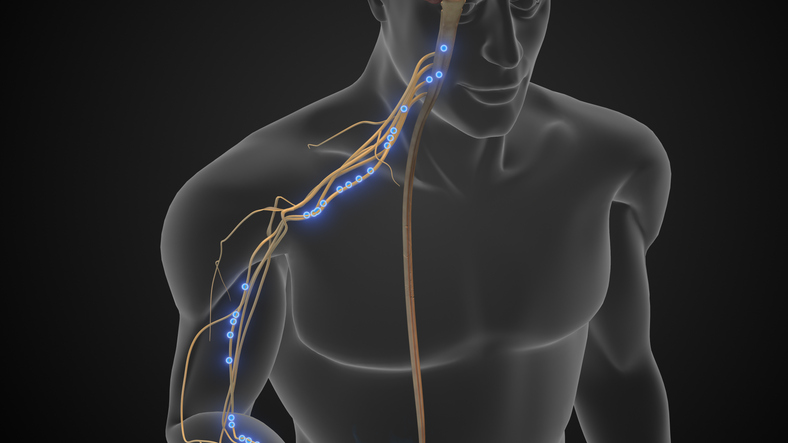
Vagus nerve stimulation, long heralded as a neuromodulatory technology acting through autonomic nerve connections, may also work by tuning the physical behavior of blood vessels in the brain. A new mouse study from researchers at Tohoku University adds weight to the view that the autonomic interface between body and brain can shape learning by altering vascular dynamics after training.
Lehigh Team Uses Digital Twin of Gut-Brain Axis to Advance Neurostimulation Therapies
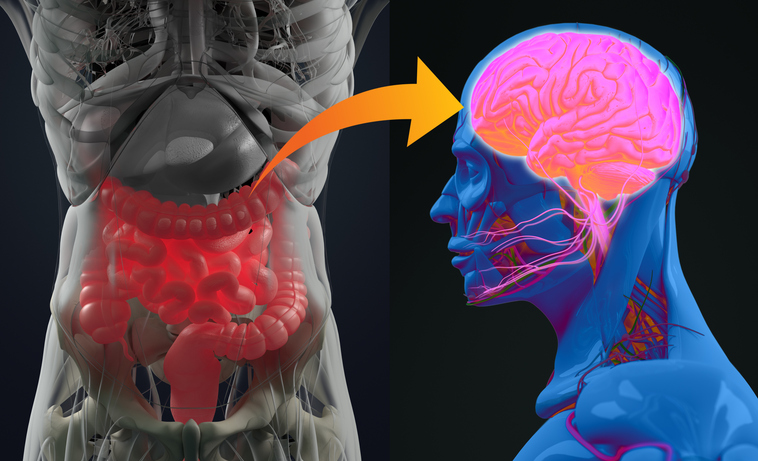
A team of researchers at Lehigh University has developed one of the first comprehensive mathematical models of the neural circuitry linking the gut and brain, a “digital twin” designed to simulate how bidirectional signaling regulates stomach function. The work, described in Frontiers in Physiology, could help bioelectronic medicine researchers understand disorders of gut-brain interaction and accelerate the development of neuromodulation therapies such as vagus nerve stimulation.