

Computer Vision is Becoming Neurotech’s Situational Understanding Layer and Distribution Channel
Machine Medicine’s FDA breakthrough designation for their video assessment platform, hiring at Metamorphic and Epia Neuro, and a leaked Apple AirPods demo all point to the same patterns: computer vision can give better situational understanding and standardization in a world where human raters find challenges with consistency. Because cameras, LiDAR, and other types of spatial sensor systems are becoming inexpensive and ubiquitous, computer vision systems are increasingly easier to implement both in research settings and in everyday life.
New England Neurosurgeons Champion Human Fidelity for Brain Device Industry
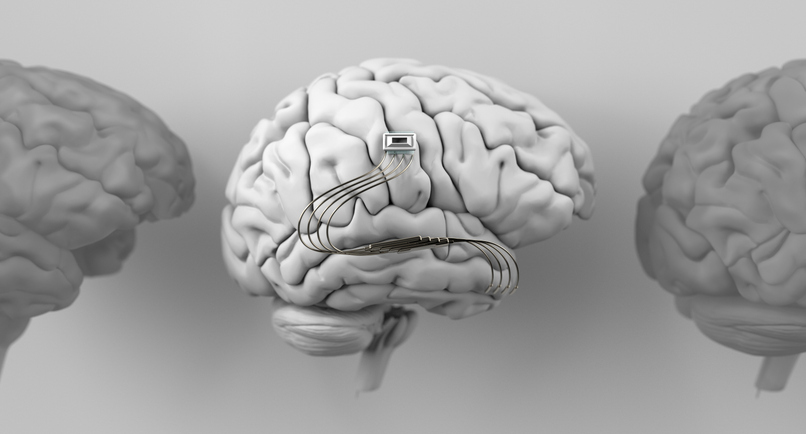
In a new American Journal of Psychiatry article, researchers argue that companies, clinicians, funders, regulators, and health systems need a measurable standard for what they call “human fidelity”—the degree to which an implantable brain device aligns with the needs and expectations of the people and institutions that must use, support, pay for, and live with it.
Government Strategy Is Shaping the Global Brain-Computer Interface Race
Three events converged this year to turn brain-computer interfaces from a research curiosity into a subject of government strategy. China moved a product to market, having already built the machinery to pay for it. The U.S. funded a founder. The European Union asked its regulators to study a problem. This is not an accident of timing. It reflects fundamentally different beliefs about what a government should do when a new technology can read, and may soon write to, the human brain.